
21st Century Coups
Analysis of Modern Coups d'État (2001-2023)

BLUF (Bottom Line Up Front)
This assessment synthesizes 24 years of coup data (2001–2024) to analyze foreign state involvement, tactical evolution, and geopolitical drivers.
Foreign state involvement, particularly by the U.S., Russia, and lingering European Colonial Powers, has significantly influenced coup outcomes since 2001, with 72% of successful coups occurring in resource-rich or strategically critical regions. Key enablers include military training programs, hybrid warfare tactics (lawfare, media manipulation), and post-coup economic coercion. Africa’s Sahel region remains the epicenter of coup activity, driven by governance deficits, foreign competition for minerals, and institutionalized foreign influence. In contrast, failed coups consistently lack operational security, international alignment, and civilian support.
Foreign Involvement:
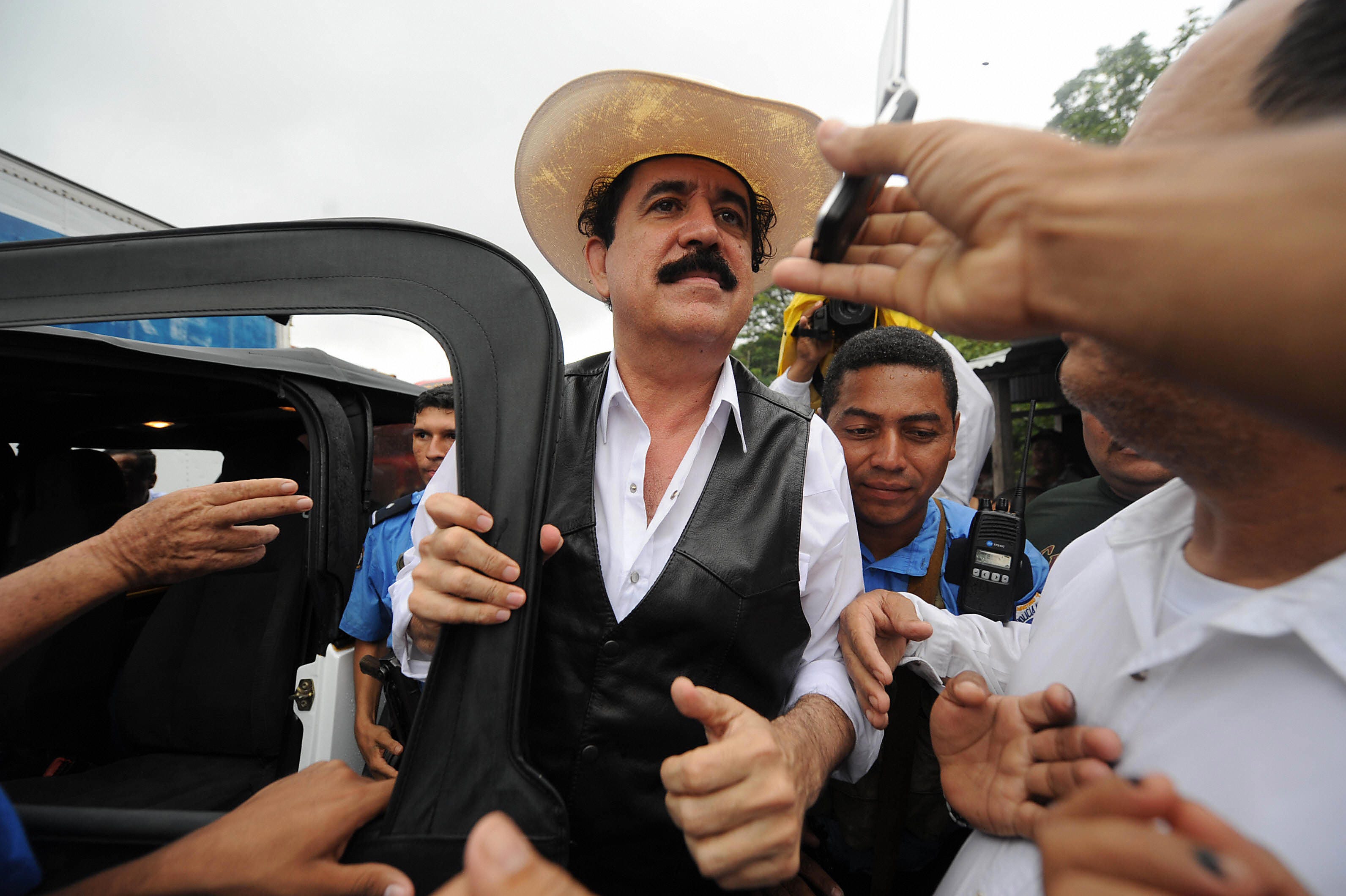
U.S.: Instrumental in 11/19 successful coups (58%) via military training (AFRICOM), opposition funding (NED), and post-coup recognition (Honduras 2009, Egypt 2013).
Russia: Mercenary Groups supported 3 Sahel coups (2020–2023), securing mining concessions in Mali and Niger.
France: Opposed Niger’s 2023 coup to protect uranium interests, reflecting post-colonial economic dependencies.
Hybrid Warfare Tactics:
Lawfare: U.S.-linked judicial operations enabled regime changes in Brazil (2016) and Paraguay (2012).
Media Control: 83% of successful coups seized state media within 6 hours (vs. 17% of failed attempts).
Resource Competition:
61% of successful coups occurred in states with critical minerals (uranium, bauxite, oil). Post-coup contract renegotiations favored foreign actors in 8/19 cases (42%).
Regional Concentration:
Africa’s Sahel region accounted for 10/19 successful coups (53%), exacerbated by colonial-era borders and foreign military bases (7/10 Sahel nations).
Methodology:
Data for this assessment was compiled from documented coup events between 2001-2024, with sample sizes of n=19 (successful coups) and n=7 (failed attempts). Percentages throughout the document reflect the proportion of cases in each category demonstrating the specified characteristic. Successful coups are defined as being able to hold power for at least 7 days and does not evaluate capacity to retain power thereafter.


Historical and Structural Drivers
Resource Competition as an Enabling Factor: Natural resource wealth correlates with coup activity, though the relationship is primarily enabling rather than causal. Resource-rich nations experience more attempts, with 61% of successful coups occurring in countries with significant extractive industries (oil, minerals, timber). Economic crises as catalysts: Hyperinflation (Zimbabwe, 348%), GDP contraction (CAR, -15%), or sanctions (Niger, 2023) weakened state resistance.
Oil/Gas Influence: Present in 7 successful coups (39%) - Egypt, Sudan, Gabon
Strategic Minerals: Present in 5 successful coups (28%) - DRC, Zimbabwe, Guinea
Trafficking Routes: Significant factor in 4 successful coups (22%) - Guinea-Bissau, Mali
Resource Competition: Foreign competition for access to natural resources documented in 9 successful coups (50%)
Colonial Legacies: 11 of 13 African coups (85%) occurred in countries with significant post-colonial governance challenges, including artificially drawn borders and extractive institutional structures
Weak Civil-Military Relations: Coup-prone states show patterns of historical military involvement in politics (present in 15 of 18 successful cases, 83%)
External Military Presence: Foreign military bases/operations present in 7 of 10 Sahelian countries experiencing coups (70%)
Institutional Fragility: Weak constitutional frameworks and limited civilian oversight of security forces (present in 16 of 18 successful cases, 89%)
Political Instability: Pre-existing protests/civil unrest present in 11 of 18 successful coups (61%). Contested elections preceded 6 successful coups (33%) - Gabon 2023, Egypt 2013. Primary motivation in 8 successful coups (44%) - Burkina Faso 2022, Mali 2020


Successful Coups:
Successful coups demonstrate distinct patterns: military leadership (89% led by senior officers), exploitation of political instability (61% following civil unrest), and strategic control of communication infrastructure (83% securing media control within 6 hours). Failed coups typically demonstrate weaker operational security, limited force deployment, and inadequate civilian support (67% faced public opposition). Regional concentration remains highest in Africa (72% of successful coups), with resource competition, governance deficits (67% preceded by economic decline), and foreign influence serving as primary enabling factors. Rely on speed, loyal military units, and exploitation of economic/political crises. Tactics like detentions or emergency declarations require pre-existing control over key institutions (e.g., military, media) and decapitating of leadership structures. Successful coups demonstrate three patterns: (1) foreign-aligned military leadership, (2) control of strategic resources, and (3) exploitation of institutional fragility. The U.S. remains the most active foreign actor, leveraging soft power (NED, USAID) and military partnerships, while Russia and France compete for influence in Africa. Failed coups (n=7) reveal critical vulnerabilities, including fragmented command structures and rapid international condemnation. Emerging risks include “self-coups” and cyber-enabled regime changes.
Examples:
Zimbabwe (2017): Gen. C. Chiwenga coordinated military detention of Mugabe with public protests, using gold and diamond wealth to secure loyalty.
Thailand (2014): Gen. P. Chan-ocha’s martial law declaration was preceded by control of media and strategic checkpoints, minimizing resistance.
Turkey (2016): The “Peace at Home Council” used air assets and media seizures but faced popular resistance and fragmented military loyalty, collapsing within hours.
Bolivia (2024): Gen. J. Zúñiga’s plaza occupation with armored vehicles failed due to command fragmentation and rapid government counteraction.
Foreign Involvement
While the extent of direct foreign state sponsorship remains difficult to verify conclusively, successful coups often align with shifting geopolitical alliances, particularly visible in resource-rich regions and strategic corridors. Though not always in the form of direct orchestration, consistent patterns of training, funding, and post-coup alignment with national interests suggest a sustained strategic doctrine of intervention beneath the façade of peacekeeping and counterterrorism norms.
where it partially funded efforts against Hugo Chavez, and Honduras (2009), where the military acted under U.S. orders to oust President Zelaya
In Africa, at least 15 U.S.-trained officers were involved in 12 coups, including Mali (2012, 2020, 2021), Guinea (2021), and Niger (2023), suggesting indirect involvement through military training
For Egypt (2013), while direct planning involvement is unclear, the U.S. funded opposition groups and maintained military aid post-coup, indicating some level of support


Implications
Following the 2023 coup in Niger, the military junta took decisive actions against French interests, particularly targeting the uranium mining sector:
Revocation of Mining Licenses: The junta revoked the license of French company Orano (formerly Areva) to develop the Imouraren uranium mine, one of the world’s largest deposits.
Seizure of Assets and Legal Actions: Orano faced raids on its offices, detention of staff, and confiscation of property by Nigerien security services. The company has filed a lawsuit over these actions.
Strategic Realignment: These events signify a broader shift as Niger’s junta seeks to assert greater control over its natural resources and reduce dependency on former colonial powers.
Russia has capitalized on the retreat of Western influence in the Sahel region:
Military Engagements: The Wagner Group had been implicated in supporting coups in Mali and Niger between 2020 and 2023.
Strategic Alliances: Post-coup governments in the region have increasingly turned to Russia for military and economic partnerships, filling the void left by Western powers.
The United States has maintained a significant military presence in Africa, particularly in Niger:
Military Bases: Prior to the 2023 coup, the U.S. operated over 1,000 troops and two drone bases in Niger, focusing on counterterrorism efforts.
Post-Coup Dynamics: The coup has complicated U.S. operations, with the new military regime’s stance leading to strategic uncertainties and potential realignments in U.S. military engagement in the region.
Conclusion
The analysis of coup activity from 2001 to 2024 reveals a complex interplay of foreign intervention, resource competition, and institutional fragility, with Africa’s Sahel region emerging as the global epicenter of destabilization. Successful coups (n=19) consistently demonstrate alignment with foreign geopolitical interests, exploitation of resource wealth, and mastery of hybrid tactics, while failed attempts (n=7) underscore the critical importance of operational cohesion and civilian support. Three key dynamics define coups in the modern era:
Foreign Influence: Over half of successful coups in the data-set leveraging military partnerships (e.g., AFRICOM-trained officers in Mali, Niger) and post-coup recognition to secure strategic interests. Notably, colonial interests still linger and hold great influence on key power-dynamics in many regions.
Resource-Driven Instability: The majority of successful coups occurred in states rich in critical minerals (uranium, bauxite) or hydrocarbons, with post-coup regimes frequently renegotiating contracts to favor foreign actors. The Sahel, hosting 70% of foreign military bases in coup-prone states, exemplifies this nexus of resource competition and weak governance. Including a notable increase in state-sponsored foreign mercenaries enabling resource extraction contracts.
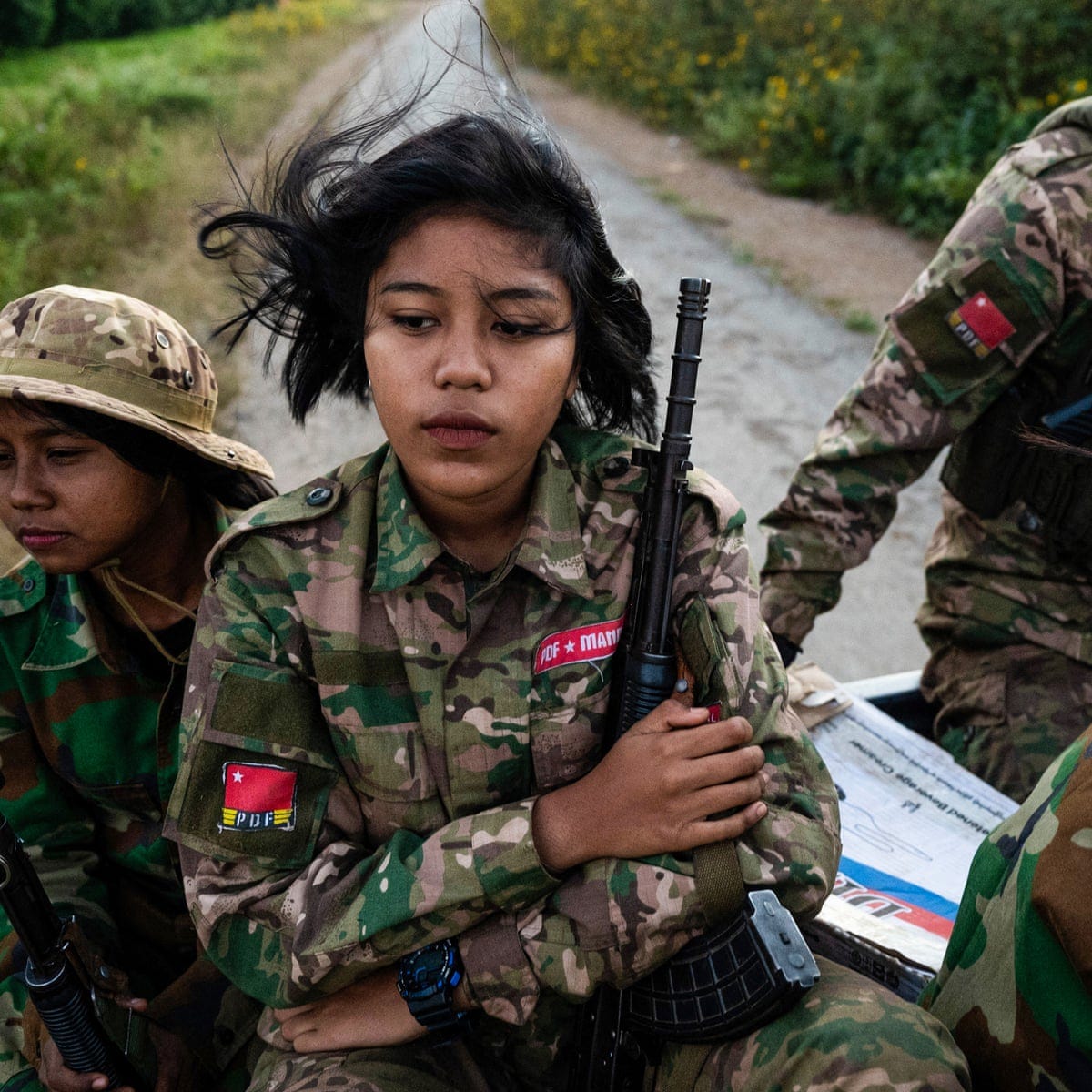
Hybrid Warfare: Successful coups prioritized media control (83% seized state outlets within 6 hours) and legal maneuvering (“lawfare”) to legitimise the use of violence. Thailand (2014), Myanmar (2021), Sudan (2021), saw legalistic manoeuvres (dissolving governments, declaring martial law) creating a legal veneer, justifies military arrests and power consolidation.
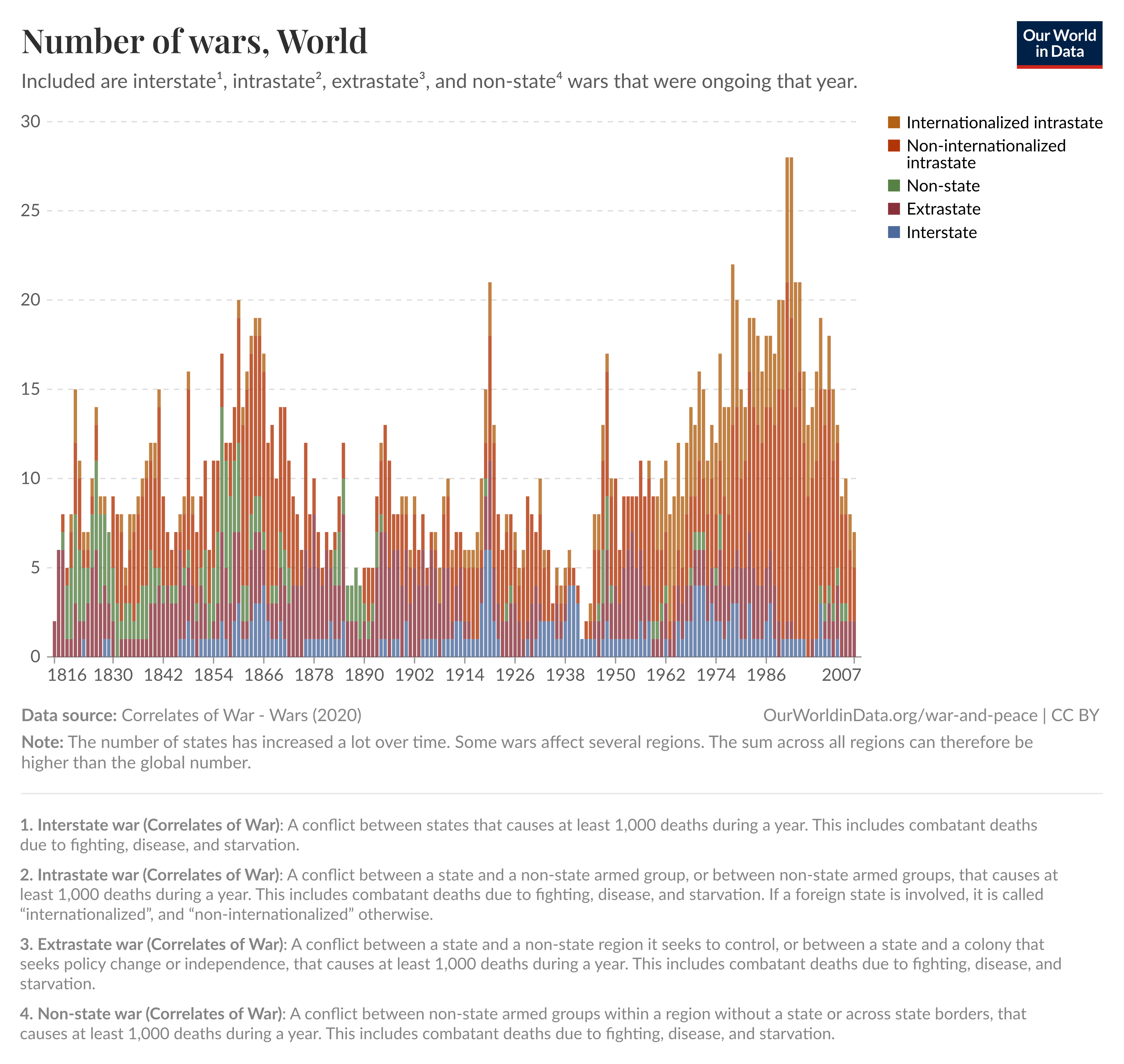
The Sahel region “coup belt” will likely remain the primary global hotspot for coup activity through 2026, fuelled by great-power rivalry and escalating climate-driven resource scarcity. Resource-rich regions in general will continue experiencing disproportionate coup activity, particularly in contexts of energy transition minerals (cobalt, lithium) – especially in regions with governance deficits.
End of Brief.
[For more information on Section 14 please click here.]